Sennheiser made premium earbuds repairable, now it has to sell the batteries
Momentum True Wireless 5 owners can replace all three batteries with a screwdriver. Sennheiser has not priced the spare cells, or said how long it will stock them.
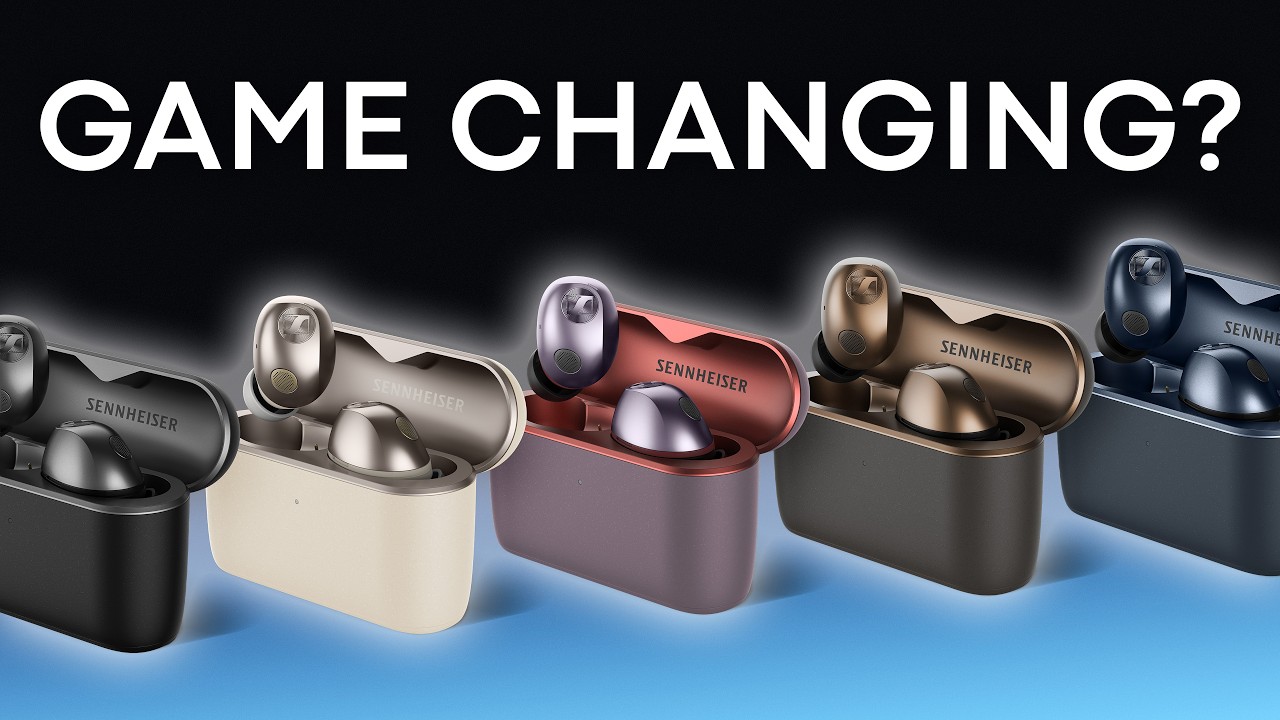
Sennheiser has put three tiny doors on a $299.95 pair of earbuds. Two sit on the buds. One sits on the case. That is the launch.
The Momentum True Wireless 5 has a user-replaceable battery in each earbud and another in its wireless charging case. Sennheiser says an owner can swap all three with a compact screwdriver, without mailing the product to a service centre. For a premium true-wireless category built around sealed batteries, that changes what buying a $300 pair can mean. It also leaves one stubborn question unanswered: what will the replacement cells cost when owners actually need them?
A battery door arrives before the battery price
Sennheiser will begin selling the earbuds on 3 September in Graphite, Cream, Copper, Denim and Lavender. Claimed battery life is up to 12 hours from the buds without active noise cancellation, and 40 hours with the case. The company says replacement batteries will be sold directly, but its launch materials do not give a price or a minimum period of availability.
That omission matters more than it might on launch day. A removable cell extends a product's useful life only if the correct part is affordable and still on the shelf several years later. Darko.Audio identified the same gap in the announcement, asking what a battery will cost and whether Sennheiser will still stock it in 2032. The hardware has made repair possible. The parts policy will decide whether repair remains practical.
This is not the first pair of earbuds with replaceable cells. Fairphone launched its modular Fairbuds in 2024 with batteries removable from both buds and the case, seven replaceable parts and a three-year warranty. Fairphone still documents the procedure and lists battery kits. Sennheiser's move is significant for a different reason: it brings the idea into a mainstream premium audio line whose previous Momentum earbuds competed directly with Apple, Sony and Bose.
The launch videos all stopped at the same feature
Three audio channels approached the announcement from different directions and landed on the battery doors. Aaron X Loud and Wireless called the system the biggest upgrade and stressed that owners should not need a heat gun, unofficial cells or a service-centre visit. He also told Sony, Apple and Bose to copy it or lose the argument. Picky Audio put "game changer" in the title for the same reason, then spent the rest of a live stream reminding viewers he still wanted a review unit.
SoundGuys made the useful comparison with Fairphone. Its earlier testing found the Fairbuds highly repairable but less convincing as earbuds, particularly for sound. A repairable pair from a brand known for sound, the channel argued, is the kind of product that could push Apple, Sony and Bose to follow. It also drew a sensible line between announcement and verdict: fit, noise cancellation, radio stability and sound all await lab testing.
The True Wireless 5 is also answering complaints about its predecessor. SoundGuys noted reported connectivity and battery problems around the Momentum True Wireless 4. The new model adds Bluetooth 6.0, a selectable robust connection mode and what Sennheiser calls a resilient RF antenna. Those are promising responses, not verified fixes.
The rest of the upgrade is a list of tests to run
The earbuds have a new finless shell shaped from data gathered across thousands of ears. Sennheiser says 73% of its test group found it more comfortable than the previous generation. SoundGuys flagged the missing fins as the controversial bit, because a comfort percentage cannot predict an individual seal. Picky Audio, who scored the True Wireless 4 an eight for comfort, still noted a suction and pressure in the ear canal and liked the smaller-looking successor on paper.
Calls now use six microphones, two bone-conduction voice sensors and AI speech extraction. A perforated microphone plate is meant to reduce wind turbulence, a direct answer to Picky Audio's main complaint about the older model: outdoors, the microphones could make noise cancellation almost unusable on a moderately windy day. Active noise cancellation has revised algorithms and ear tips. SoundGuys measured the predecessor reducing outside loudness by an average of 83%, and wants to see the new version move closer to the best current flagships before declaring victory.
Audio hardware is less dramatically changed. SoundGuys says the same driver carries over from the True Wireless 4, while Sennheiser adds an eight-band equaliser, Dolby Atmos with head tracking, aptX Lossless, a low-latency mode and Snapdragon Sound. Aaron noted the lack of LDAC and the limited number of phones that support aptX Lossless. The optional BTD 700 USB dongle broadens access, but turns a wireless codec advantage into another accessory purchase.
The screwdriver is a promise, not the finish line
No launch-day video cited here had independently worn down a battery, opened a retail earbud or tested a replacement cell. Nor could it: the product had just been announced. Buyers should wait for fit, call, ANC and connection testing if those are the reason for spending $300.
The repair design deserves credit now. Tiny sealed earbuds have trained buyers to accept that battery decline can retire otherwise functional speakers, microphones and electronics. Fairphone proved another construction was possible; Sennheiser has now removed the excuse that replaceable cells belong only in a niche ethical product.
Its next obligation is prosaic. Publish the battery price and commit to a useful supply window. A door on the earbud opens the product. Only a stocked spare part keeps it open.