Android 17 is here, and Motorola owners may wait until 2027 for it
Motorola's schedule stretches over 50 phones into early 2027. Nothing opened its beta and some users hit download errors. Both timelines matter.
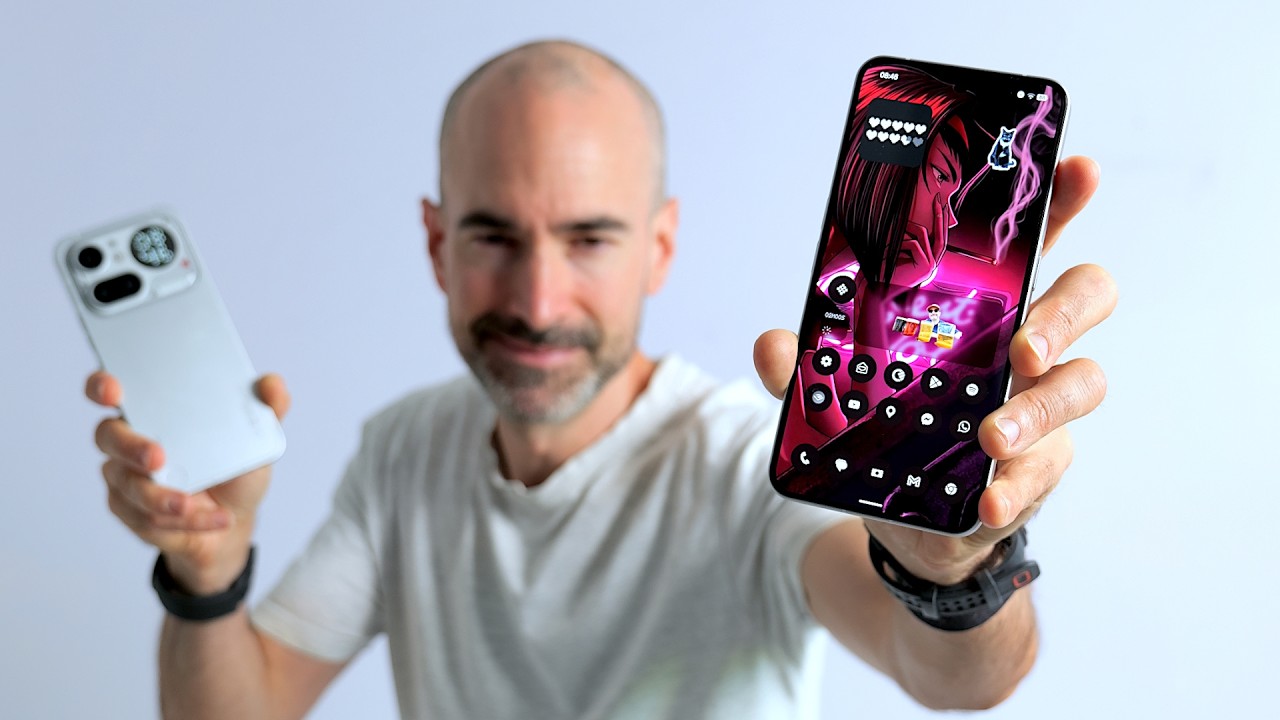
Two Android makers published their Android 17 plans within a day of each other in late August, and the contrast is a useful lesson in what "your phone is getting the update" actually means. Motorola shipped a stable build to a flagship and published a rollout schedule that runs into 2027. Nothing opened a beta, and some users hit download errors within hours.
Motorola: fifty-plus phones, and a queue
Motorola's stable Android 17 rollout began in August with the Signature series, and the eligibility list covers more than 50 models across the Razr, Edge and Moto G ranges. The schedule matters more than the list. Signature and Razr 2025 devices are being served in August and September. Edge 60 and Edge 50 phones are slated for October and November. Moto G handsets and older eligible devices sit in a bucket labelled late 2026 to early 2027.
Read that last line carefully if you own a Moto G. Android 17 was released by Google in June. A budget Motorola receiving it in early 2027 is waiting more than six months.
Android Authority also flagged inconsistencies in Motorola's own published list: the Edge 50 series, Edge 60 Neo, Razr 2024 and Moto G75 are missing from it despite still being inside their stated update commitments. Anything launched before 2023 on a two- or three-year promise is simply out.
What arrives when it does
The changelog is substantial, and much of it is Google's rather than Motorola's. The interface work covers a redesigned Quick Settings panel with larger touch targets, stackable widgets that share a single home-screen block, interactive widgets with snap-scrolling, themed icons and HDR brightness management.
The connectivity additions are the ones worth having. Cross-platform Quick Share sends files to non-Android devices via QR code. Instant Hotspot removes the tethering setup dance. Nearby Audio Streams broadcasts to compatible receivers. There is a built-in hardware diagnostics hub for checking component health — a quietly useful thing to have on a phone you are keeping for years.
On security, Motorola is shipping automated scam detection that scans SMS, MMS and RCS messages, a Failed Authentication Lock, strengthened PIN handling, and Circle to Search with real-time on-screen translation.
Nothing: a faster start, and an immediate stumble
Nothing OS 5.0 opened as a public beta on 26 August, Phone (3) first. Within hours users were hitting errors trying to download it. Co-founder Akis Evangelidis explained the cause directly:
"We're seeing an overwhelming response to the Nothing OS 5.0 Open Beta with far more people downloading than expected. This is causing some users to see error messages."
The failures were at the download stage rather than in the software, and the company said it was stabilising servers. Tech Spurt, who had been running the beta, put the payload at over seven gigabytes, which explains how quickly the bandwidth ran out.
The rest of Nothing's beta queue: Phone (4a) Pro in early September, Phone (4a) and the (3a) and (3a) Pro in late September, Phone (2a) and (2a) Plus in mid-October, Phone (4b) in mid-December. Stable arrives mid-October for the Phone (3), November at the earliest for everything else.
What Nothing built on top
Beebom's reviewer flagged the split of notifications and quick settings into separate swipe zones as the headline change, matching what Samsung and others already do. It ships switched off by default in the beta — Tech Spurt found the toggle buried under notification settings. A new "Lucent" theme adds translucency to widgets, folders and the search bar, though not to app icons, which Beebom noted as an odd omission.
The new widgets are more interesting than they sound. An Away Time widget inverts screen time by counting the minutes you have not touched the phone; Tech Spurt found it reporting 49 minutes away when he had barely put the phone down, so it is clearly still beta. A Collector widget cuts subjects out of your photos and shuffles them on the home screen. The Glyph timer finally has a widget, and the Glyph controls finally have their own app rather than living in Settings.
Underneath, the Android 17 features are the same ones Motorola users will get: a floating screen-recording menu, a status-bar location indicator, HDR brightness control for the moment a bright clip ambushes you at night, 3D emoji, and separate assistant volume. Nothing has also added an expanded dark mode that forces apps without native support into dark, per-app.
The pattern worth noticing
Nothing's beta users will be on Android 17 features in August. Motorola's stable users on a Moto G may wait until 2027 for a build containing largely the same Google features. Neither company is doing anything unusual — this is how Android has always worked — but it is worth weighing when a manufacturer advertises a number of years of updates. The promise says how many versions you will receive. It says nothing at all about when.